How to share a multi-day Indian wedding itinerary with guests, from haldi to reception
Guests can’t enjoy what they can’t find. Here’s how to lay out every function, from haldi to reception, so each guest knows where to be, what to wear and when the plan changes.
 By LIT VOW Editorial7 min read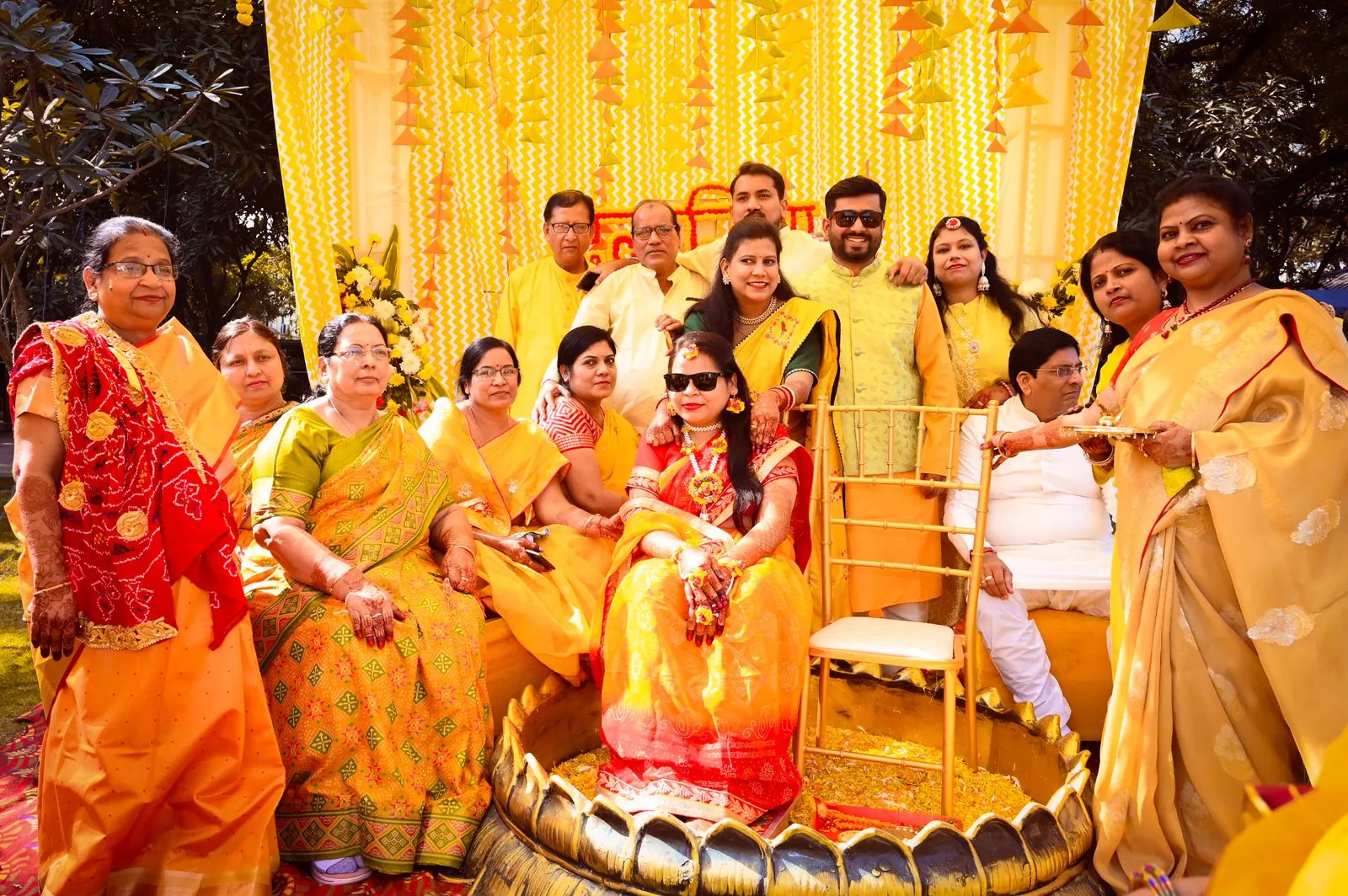
Key takeaways
- Every function on your itinerary needs the same five details: date, time, venue, dress code and transport.
- Give each function a clear dress code so guests can pack and plan outfits in advance.
- Show family-only functions only to the guests invited to them, rather than listing everything for everyone.
- Treat muhurat timings as fixed for the rituals, flexible for guests, and send a single clear update if anything moves.
The short answer
Share one itinerary that lists every function with its date, time, venue, dress code and transport, and make sure each guest sees only the functions they are invited to. Send the outline with your invitation, confirm the detailed timings closer to the day, and keep all updates in a single place guests can check.
The aim is simple: no guest should have to ask the family WhatsApp group what time the sangeet starts.
What every function needs on the itinerary
Every function should carry the same core details, in the same order, so guests can scan them quickly. Planners recommend giving guests the event date, time and location, transport information, dress code guidance and a contact person, all in one place and kept brief.
For an Indian wedding, that means for each function:
- Date and arrival time: when guests should arrive, not just when the ritual begins
- Venue: name, address and a map pin; note whether it is indoors, a lawn or poolside
- Dress code: colours, level of formality and any footwear tips
- Transport: shuttle timings from the hotel, parking, or pickup points
- Who to call: a cousin, friend or planner, not the bride, groom or parents
- What to bring: anything specific, such as a dupatta or head covering for a gurdwara or temple
A sample 3-day Indian wedding itinerary
Here is an illustrative 3-day itinerary that you can adapt to your own functions, rituals and muhurat. The times below are examples, not recommendations; your family pandit or planner will set the actual timings.
| Day | Function | Time (example) | Venue type | Dress code |
|---|---|---|---|---|
| Day 1 | Welcome lunch | 1:00 pm | Hotel restaurant or garden | Smart casual |
| Day 1 | Mehndi | 4:00 pm | Lawn or poolside | Bright colours, light fabrics, greens welcome |
| Day 1 | Sangeet | 8:00 pm | Ballroom or banquet hall | Glamorous: sequins, metallics, jewel tones |
| Day 2 | Haldi (family) | 10:00 am | Courtyard or family home | Yellow and marigold tones; clothes you don’t mind staining |
| Day 2 | Baraat | 7:00 pm | Hotel driveway to venue | Festive Indian wear, comfortable shoes; safas if provided |
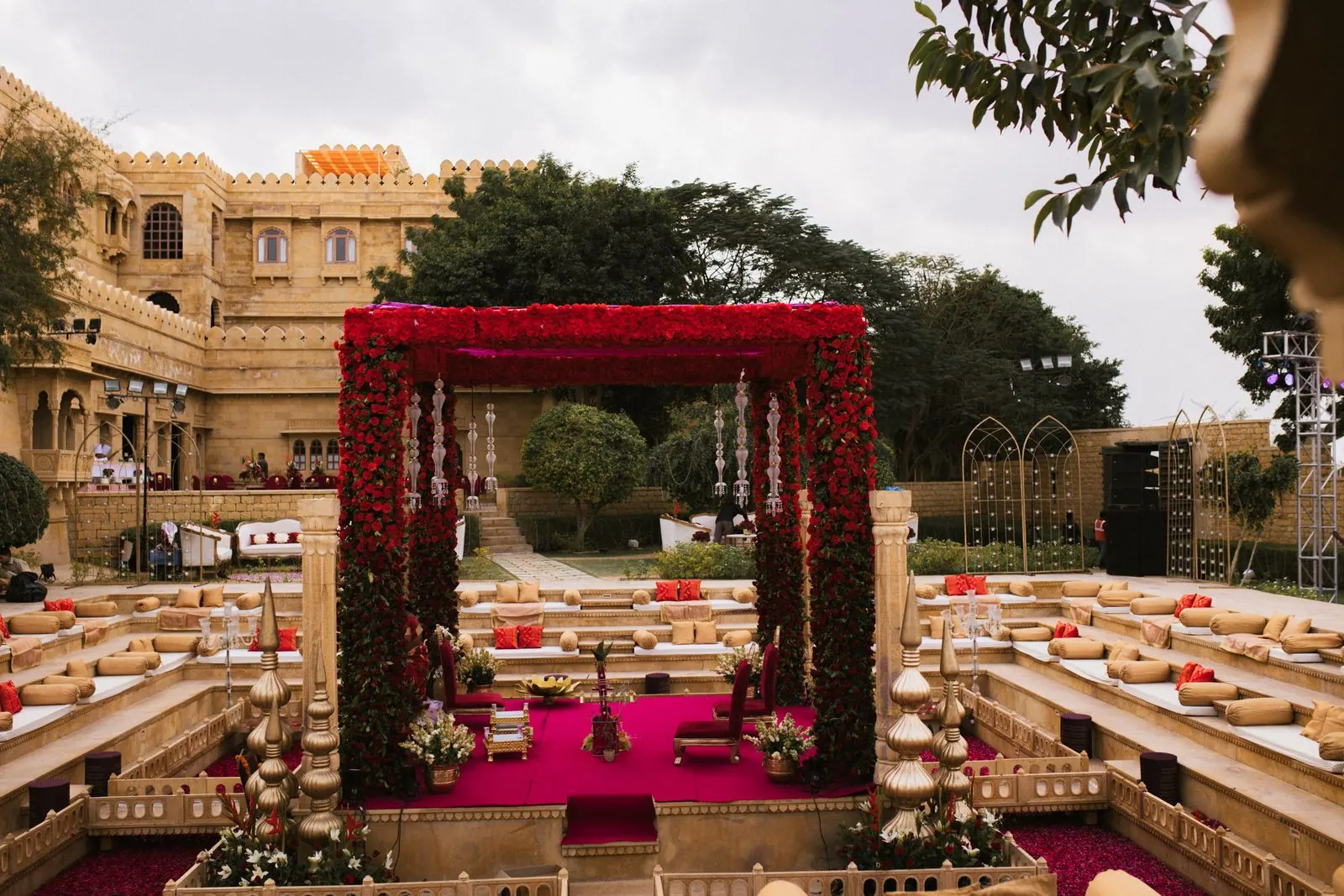
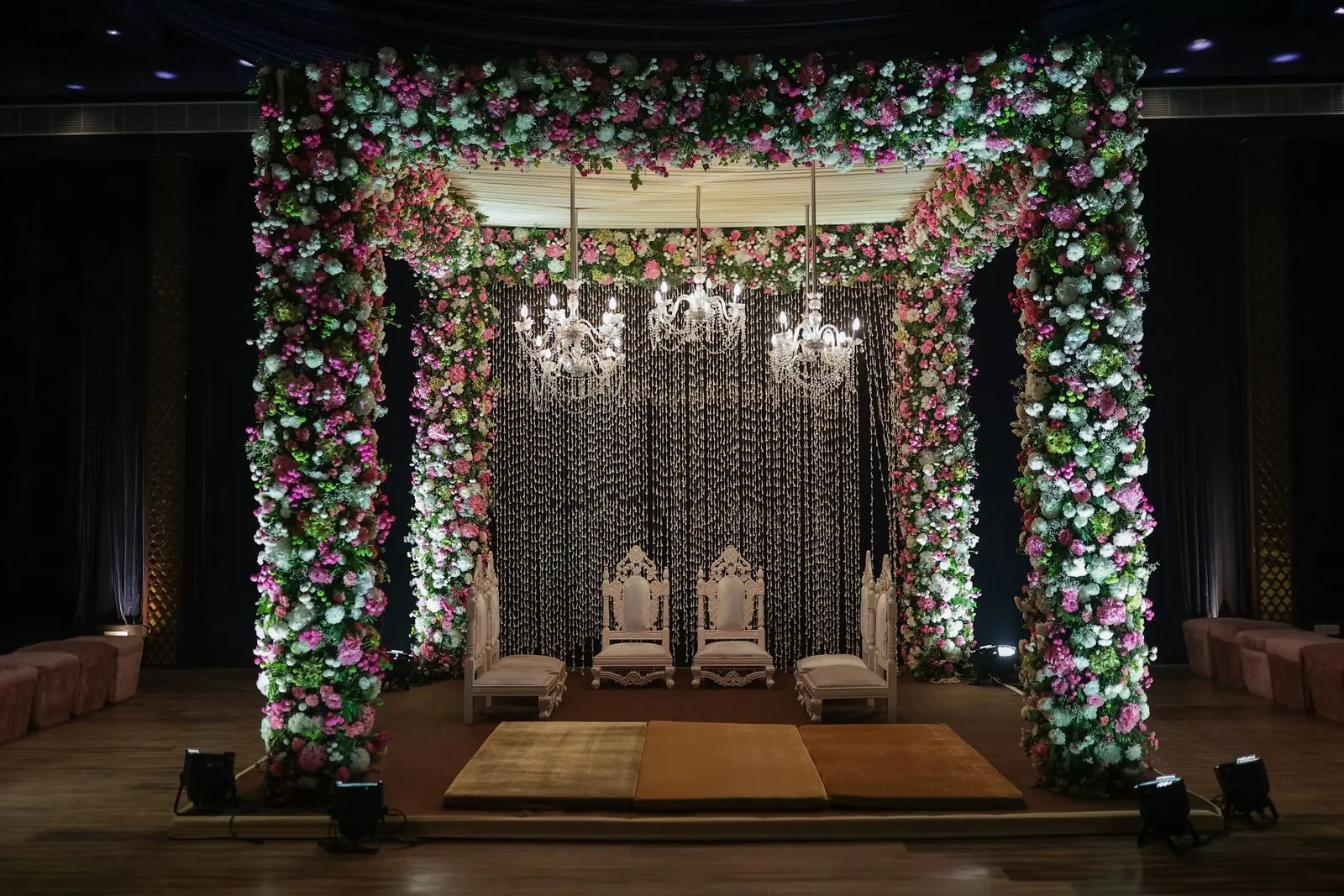
| Day 2 | Pheras | 9:00 pm (per muhurat) | Mandap, courtyard or lawn | Traditional Indian wear; avoid all-red, white and black |
| Day 3 | Farewell brunch | 11:00 am | Hotel restaurant | Relaxed |
| Day 3 | Reception | 8:00 pm | Banquet hall or palace lawn | Evening formal: lehengas, sarees, sherwanis, suits |
Your order may differ. Many families hold haldi on the morning of the wedding, the pheras may fall in the early hours, and some couples host the reception in another city weeks later.
What guests need for each function
Beyond time and place, tell guests what will make each function comfortable for them. A line or two per function prevents a lot of last-minute questions.
Haldi
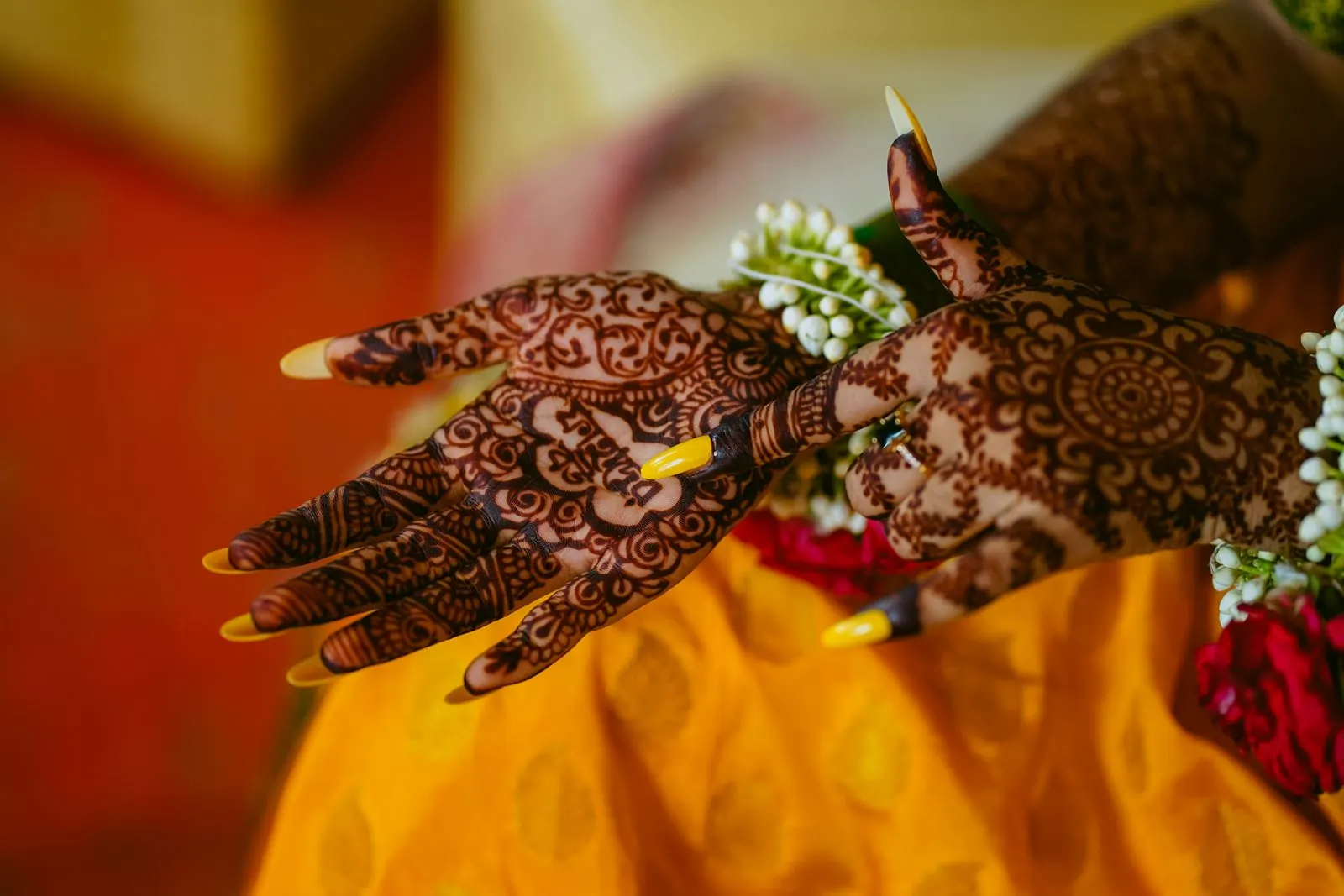
Expect turmeric on clothes, hair and skin. Suggest yellow or old outfits, and mention if there will be water play or flowers.
Mehndi
It is usually long and relaxed. Guests who want henna should know if mehndi artists are available for them, and that they will need time for it to dry.
Sangeet
Mention if guests are expected to perform, and share rehearsal times early. Dance-friendly outfits and footwear help.
Baraat
Tell guests where to gather, when the procession leaves, and whether safas or turbans will be tied on site. Comfortable shoes matter: it is a walk and a dance.
Pheras
Note the expected duration, whether seating is indoors or outdoors, and any religious customs, such as covering the head or removing shoes.
Reception
Usually the most formal evening, and often the largest guest list. Share the timing for dinner and any speeches.
For destination weddings, add travel and weather notes. Our Udaipur destination wedding guest guide shows the level of detail travelling guests appreciate.
How to handle family-only functions
The kindest way to handle family-only functions is not to list them for guests who aren’t invited. A single public itinerary forces you to explain why some guests are left out; a personalised one avoids the question entirely.
- Group guests into lists: close family, extended family, friends, colleagues
- Assign each function to the right lists
- Share an itinerary that shows each guest only their functions
- Keep family-only logistics, such as early pickups for the haldi, in a separate message to that group
A LIT VOW app does this by design: each guest sees their own function schedule with dress codes, RSVPs per function, and their travel and stay details, all behind a private PIN.
Muhurat timings and last-minute changes
Rituals follow the muhurat, an auspicious time chosen for the ceremony, so build guest timings around it rather than promising an exact start. The muhurat is set by the family’s priest or astrologer, and it may be late at night or in the early morning.
To keep everyone in sync:
- Give guests an arrival window, such as “please be seated by 8:30 pm”
- Explain briefly when a ritual falls at an unusual hour, so guests can plan rest and travel
- If the muhurat or venue changes, update the itinerary in one place and send a single short message pointing to it
- Avoid editing timings in several WhatsApp groups; conflicting forwards create confusion
Reminders that guests actually read
Send fewer, better-timed reminders rather than a stream of forwards. A practical rhythm:
- With the invitation: the list of functions, dates, and dress codes, so guests can shop and book travel. Our guide to digital wedding invitations and RSVPs on WhatsApp covers wording.
- A few weeks before: confirmed timings, hotels and transport, plus an RSVP deadline for each function.
- The day before each function: a short reminder with time, venue and dress code.
- On the day: only genuine changes, such as a shifted muhurat or a rain plan.
If you would like a custom itinerary built for your functions, get in touch with our team.
Sources
Frequently asked questions
What should a wedding itinerary for guests include?
For each function: the date, start time, venue with a map, dress code, transport or pickup details, and a contact person for questions. Add hotel details and a note on what is family-only.
When should we share the wedding itinerary with guests?
Share the outline of functions and dress codes with the invitation so guests can plan outfits and travel, then send the detailed timings and transport closer to the wedding, once they are confirmed.
How do we tell guests a function is family-only without offending anyone?
Simply don’t show it to guests who aren’t invited. Personalised itineraries, where each guest only sees their own functions, avoid awkward explanations entirely.
What is the dress code for each Indian wedding function?
Common choices are yellow tones for haldi, bright colours and light fabrics for mehndi, glamorous or metallic outfits for sangeet, and traditional Indian wear for the pheras. Your own colour themes take priority, so state them clearly.
What if the muhurat changes after invitations go out?
Update the timing in one place that every guest checks, send a short reminder message, and tell guests when to arrive rather than the exact ritual time so a small shift doesn’t cause confusion.
LIT VOW Editorial writes about Indian weddings — functions, guests, destinations and new ideas like the AI Photoshoot — for couples across India and abroad.